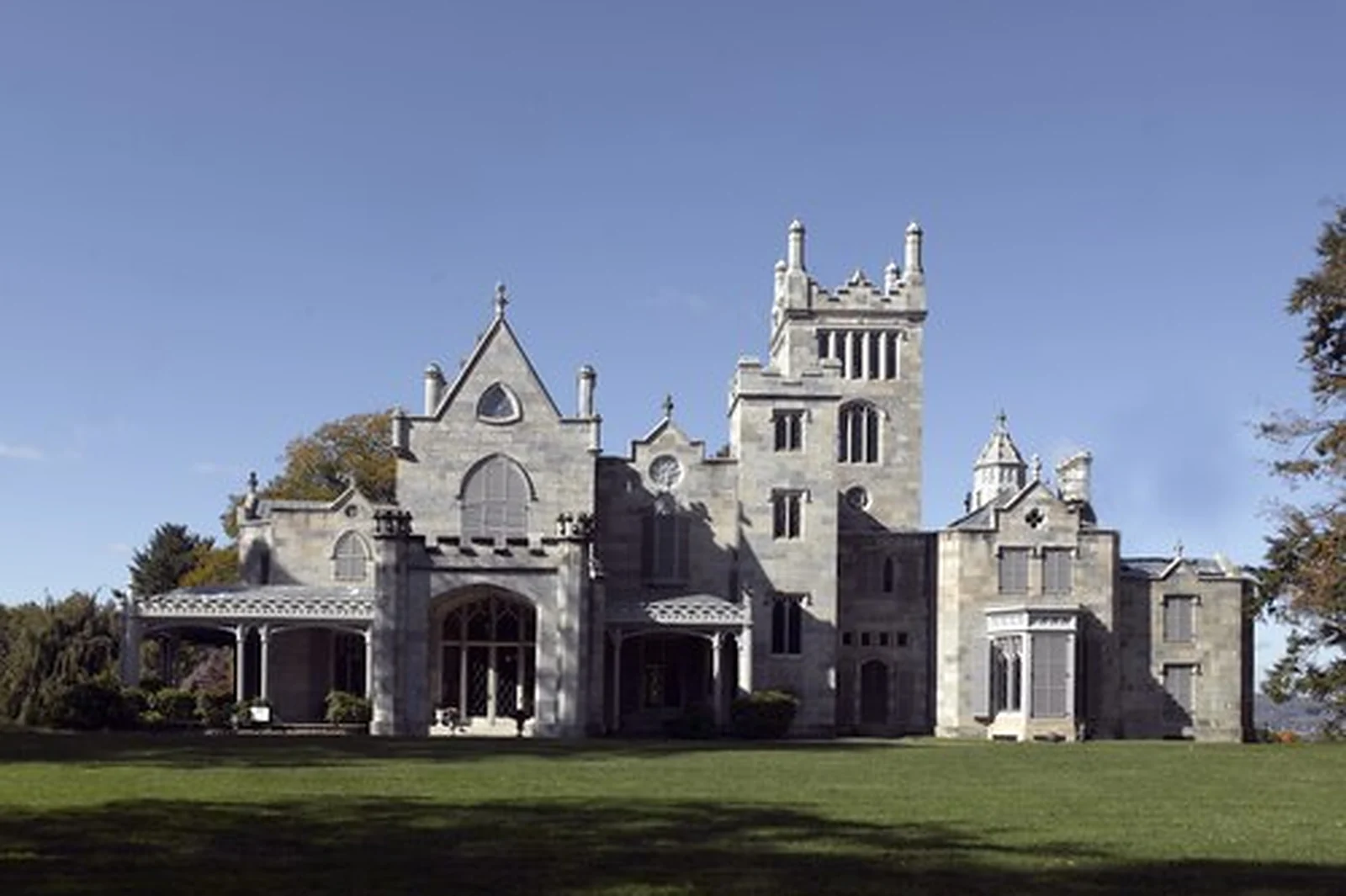
Rockland County, New York
Selling a home in Rockland County
Rockland sits on the west bank of the Hudson, with five towns, two commuter rail lines into New Jersey and a lot of lake and river frontage.
Get my free home valueAbout Rockland County
West bank of the Hudson, five towns
Rockland County lies just west of the Hudson River, across from Westchester. The 2020 Census counted 338,329 residents. The county has five towns: Clarkstown, Haverstraw, Orangetown, Ramapo and Stony Point, along with a number of incorporated villages. Its county seat is New City, a hamlet in Clarkstown. The Governor Mario M. Cuomo Bridge links South Nyack to Tarrytown in Westchester.
Rail service runs south through New Jersey rather than to Grand Central: the Pascack Valley Line stops at Spring Valley, Nanuet and Pearl River, and the Port Jervis Line stops at Suffern and Sloatsburg. The county's west side holds parts of Harriman and Bear Mountain state parks, and Lake DeForest in Clarkstown has supplied drinking water since 1956. Housing ranges from river-town Victorians to postwar ranches, split-levels and colonials, condos and townhouses.
Seller guides in Rockland County
Homes in Rockland County
What sellers should know
Most Rockland sellers own single-family houses, such as postwar ranches, raised ranches, split-levels and colonials, plus condos and townhouse complexes with their own HOA rules. River villages such as Nyack have older Victorian homes and historic district rules. Homes near the Hudson or along streams can sit in a flood zone. Each town runs its own assessor and building department, so check the right one for your address.
Go to your town, not the county
Assessments and building permits in Rockland come from the town (and in some cases the village). Clarkstown, Orangetown, Ramapo, Haverstraw and Stony Point each keep their own records.
Name your rail line
Buyers here ask about the Pascack Valley or Port Jervis Line, both of which connect through New Jersey to Hoboken and Secaucus transfers. Say which station is closest.
Pull HOA documents early
Many Rockland condos and townhouses have HOAs. Get the budget, rules and fees from the managing agent before you list.
Check the flood map near water
Homes near the Hudson, Lake DeForest or local brooks may be in a FEMA flood zone. Look it up before buyers do.
For landowners
Building on your land in Rockland County
In Rockland, what you can build on a lot is decided by the town (or village) zoning code and building department, such as Clarkstown's Building Department or Orangetown's Building, Zoning and Planning office. Lots without public sewer also need septic approval from the Rockland County Department of Health. Check those offices before planning a knockdown, addition or accessory unit.
Tell us about your land →Free · No obligation
Selling in Rockland County?
Tell us about your property. A licensed agent will look at recent sales near you and call with a realistic price range and a plan — free and without obligation.
- 01
Tell us about your home
Address, size and your timing. Two minutes, no account needed.
- 02
We study real sales nearby
A licensed agent compares recent sales and current competition near you — not an automated guess.
- 03
Talk it through, no pressure
You get a realistic price range and a plan. Whether you list with us is entirely your call.
Thank you — we have your request.
A licensed agent from Senator Realty will call you shortly. Prefer to talk now? Call (718) 569-2020.
Selling a home in Rockland County: questions
Who sets my property assessment in Rockland?
Your town assessor sets it. New York State's guide explains how to challenge an assessment, and Grievance Day is typically the fourth Tuesday in May, but confirm the date with your town.
Where are Rockland deeds recorded?
Deeds are recorded with the Rockland County Clerk in New City, which offers an online records search.
Do homes in Rockland use wells and septic?
Most homes are on public water and sewer, but some outlying areas use private wells or septic systems. The Rockland County Department of Health oversees septic systems, and New York State has guidance on private well testing.